

Whew—we made it! Golf season is finally here, and the weather is finally good enough to get out on the course every week.
If you’re anything like me, you probably have a golf club in your hands all the time—on the course, in the backyard, in the house, and even at work! With more opportunities to play comes one obvious change: you’re taking a lot more swings than you were during the winter and early spring.
Then it happens.
You wake up after a round or a long practice session and think, “My lower back feels a little tighter than it did yesterday.” Maybe it’s your elbow, your wrist, your shoulder, or even your hips.
Typically, this is the time of year when golfers begin to experience those nagging aches and pains. While some soreness can simply come from playing more golf, I’d encourage you to ask yourself a few questions:
- Have I slowed down or stopped doing my corrective exercises?
- Do I remember the movement limitations from my last screen?
- Better yet…when was my last movement screen?
These are important questions because pain rarely appears out of nowhere.
At the Golf Performance Center, we don’t simply chase pain—we identify the movement limitations that contribute to it. When you improve the way your body moves, your swing and your body both benefit. FUNCTION DICTATES FORM!
For most golfers, the answer is simple: life gets busy. You stop doing the exercises that helped you move better, you start playing more golf, and gradually your body begins slipping back into its old movement patterns.
Picture this:
You spent the offseason making great improvements to your swing. Your body was moving better, your mobility improved, and your swing started to change. Then golf season arrived. You stopped doing your correctives, increased your playing time, and before you know it, your body starts reverting toward those old movement patterns.
Now you’re caught somewhere between your old movement pattern and your new one. Your body begins compensating again, placing stress on joints and tissues that weren’t designed to handle that load. The result? Tightness, stiffness, and eventually pain.
The good news is there’s a solution.
Step 1: Get Screened
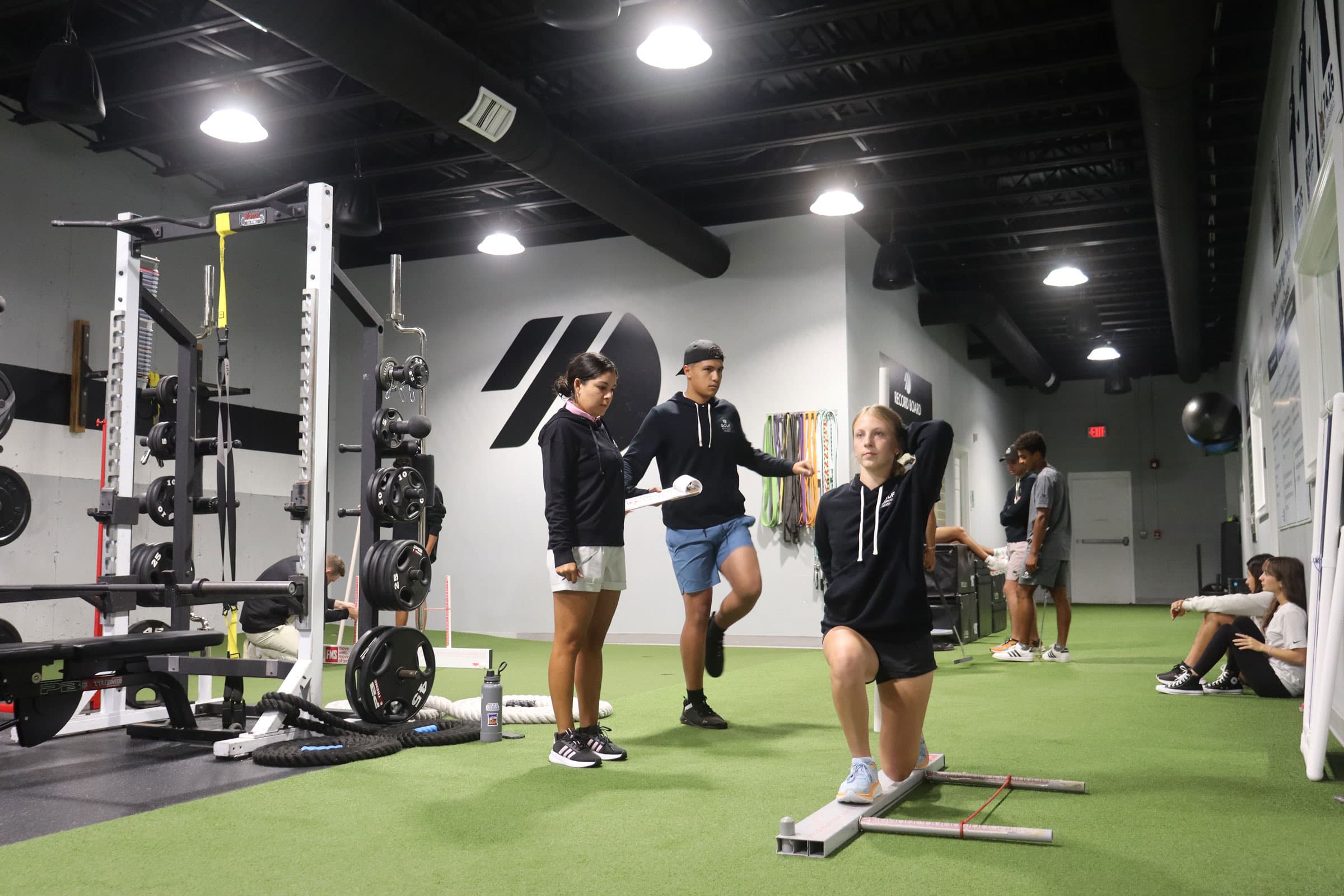
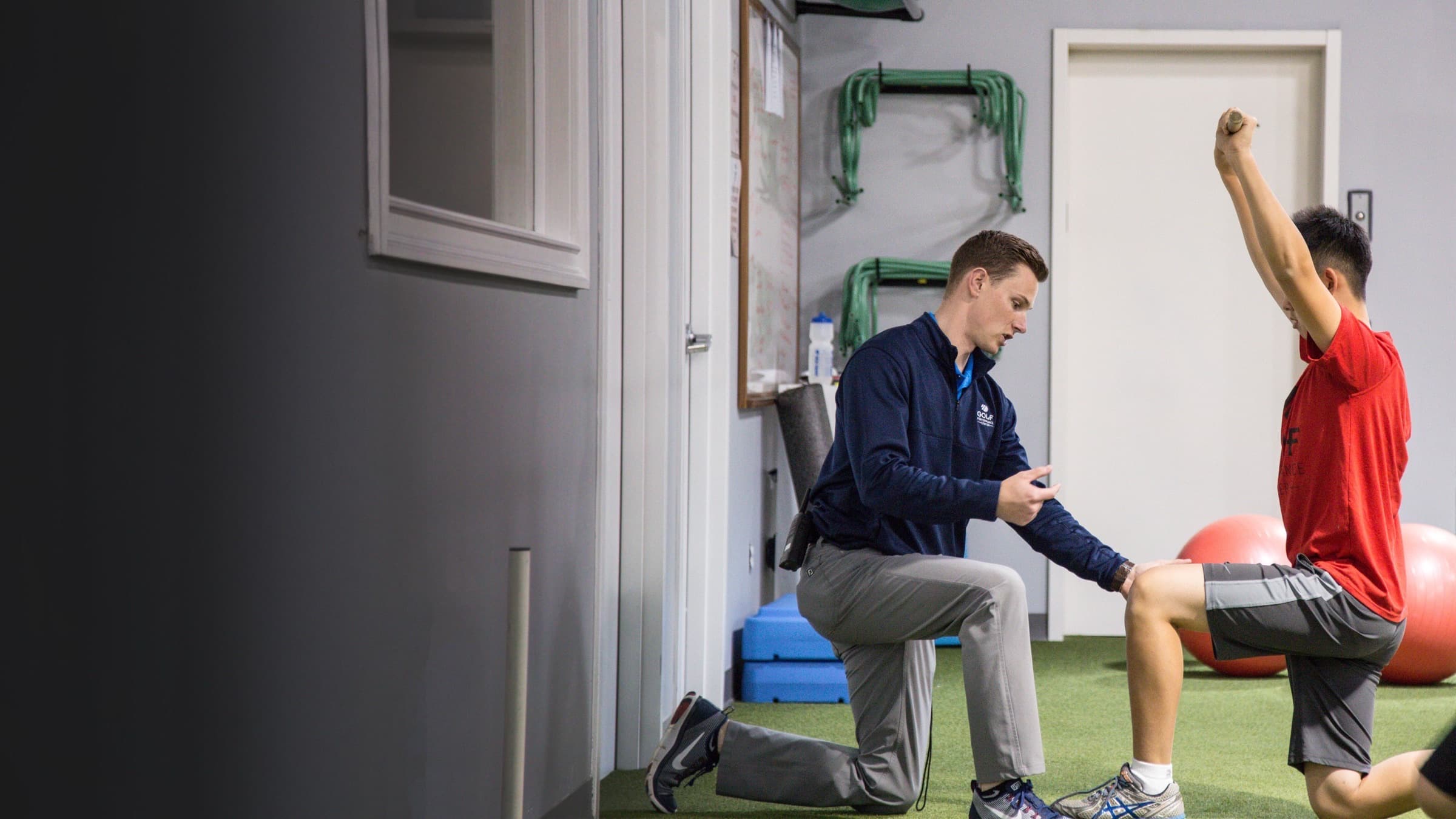
If it’s been more than 6–8 weeks since your last Performance Screen, schedule one with your Performance Coach. Your body changes throughout the season, and your corrective program should change with it. Identifying your current movement limitations allows us to address the root cause before they begin affecting both your swing and your body.
Step 2: Do Your Correctives Every Day
Consistency beats perfection.
It doesn’t matter whether you do your exercises before your round, after work, or while watching TV. What matters is giving your body the same movement stimulus every single day.
Even if all you have time for is one set, do it.
One set every day for the next month adds up to 30 quality sessions. Two months becomes 60 sessions. Those repetitions create lasting improvements in mobility, stability, and movement quality that simply won’t happen if you only perform your exercises once or twice a week.
Most corrective routines only take 10–20 minutes, and they can easily become part of your nightly routine while watching your favorite show or The World Cup.
That’s exactly what I’ve been doing.
Every evening I spend about 15–20 minutes working through my 90/90 hip mobility drills and ankle correctives while I watch TV. Since making it a daily habit, I’ve noticed a huge improvement. I went from not being able to sit upright in the 90/90 position to sitting comfortably with almost good posture and my hands off the ground. Still work to be done but the goal is never perfection, it is moving the needle in the right direction little by little
Even better news; I’m playing the best golf I have in a very long time! A coincidence? I think not!
The lesson?
Stack your days.
Small, consistent efforts lead to big improvements over time. Stay committed to your corrective routine throughout the golf season, and you’ll give yourself the best chance to keep swinging freely, playing better golf, and avoiding those nagging aches and pains that can take the fun out of the game!
Now you’re primed and ready with your new routine to have the best golf season yet!