
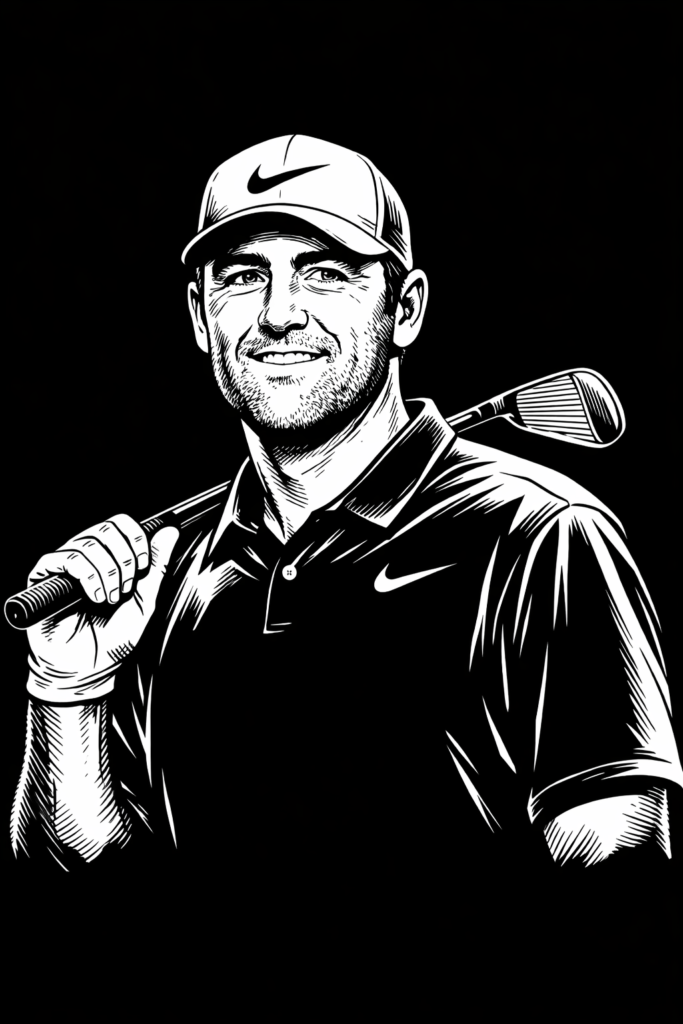
Since his first PGA Tour victory at the 2022 Waste Management Phoenix Open, Scottie Scheffler has been nothing short of dominant. In the 92 starts that followed, he has won 20 times—a staggering win rate of nearly 22%—and finished inside the top 10 in 73% of his remaining starts. These aren’t just elite numbers. They’re Tiger-esque.
So why is Scottie Scheffler so good?
The obvious answer is his ball striking. By every meaningful metric, Scheffler has been historically dominant. He has ranked No. 1 in Strokes Gained: Tee-to-Green for four consecutive seasons (2023–2026), including a 2024 mark of +2.82 strokes per round—the highest recorded since Tiger Woods in 2006. He has led the PGA Tour in Strokes Gained: Approach, three years in a row, hits more greens than anyone in the field, avoids bogeys at a remarkable rate, and owns the lowest scoring average in Tour history.
In short, his physical skill set is elite—even by elite standards.
But talent alone doesn’t explain dominance.
You can have the best swing in the world, but if your mind isn’t right, you’ll never be able to fully access your talent. What makes Scheffler so difficult to beat is not just how well he strikes the ball, but how consistently he trusts himself under pressure. His technical excellence is fully expressed because it is paired with something rarer: indomitable self-belief.
Scheffler is a devout Christian, and anyone who listens to him speak will notice how often he points to his faith as a stabilizing force in his life and career. Central to that faith is a powerful belief—that his identity is not defined by what happens on the golf course. As Scheffler has said, “At the end of the day, win or lose, my identity is secure.”
That mindset is his greatest competitive advantage.
Walking onto the golf course knowing that no shot, no round, and no tournament can threaten your sense of self frees an athlete to compete fully. Fear loosens its grip. Decision-making sharpens. Talent flows more freely. When elite mechanics are paired with psychological security, the ceiling rises—and consistency follows.
Many athletes, however, never experience this freedom. They grow up in environments where performance and self-worth become entangled, where confidence rises and falls with the scoreboard. The result is a fragile mindset—one that tightens under pressure and limits access to hard-earned skill.Scheffler’s example offers a powerful alternative: golf is not who I am; it is what I do. When identity is secure, performance becomes an expression of ability rather than a referendum on self-worth. It’s what happens when elite ball striking meets unshakable self-belief.